

Weather Has a Bigger Impact Than You Think
Asphalt pavement is constantly exposed to changing weather conditions. Heat, rain, and freezing temperatures all affect its structure. Without routine seasonal maintenance, small surface issues can quickly turn into cracks, potholes, or drainage problems. Addressing pavement needs throughout the year helps prevent long-term damage and costly repairs.
Spring: Repair and Reset After Winter
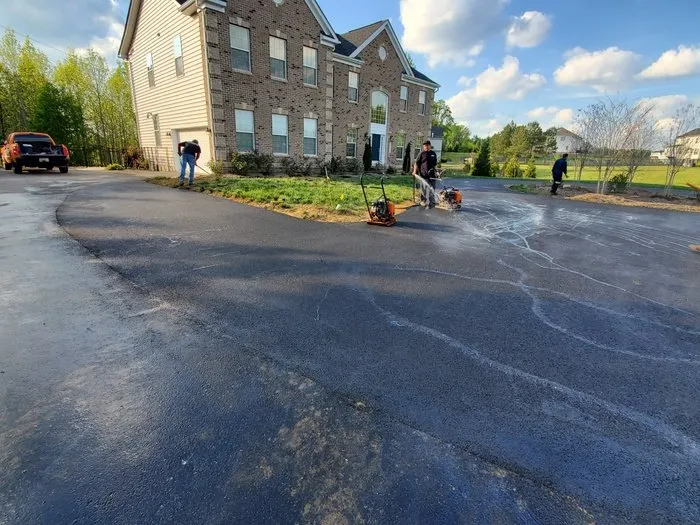
Winter freeze-thaw cycles often leave behind cracks and surface wear. Spring is the ideal time to inspect pavement and address damage early. Crack filling and patching prevent water from seeping into the base and causing further deterioration.
Summer: Protect Against Heat and UV Damage
High summer temperatures and UV exposure dry out asphalt, leading to oxidation and surface breakdown. Sealcoating during warmer months creates a protective barrier that shields pavement from sun damage, moisture, and traffic wear. This step helps restore appearance and extend pavement life.
Fall: Prepare for Cold Weather
Fall maintenance focuses on prevention. Sealing cracks and addressing drainage issues before winter reduces the risk of water expansion and surface failure. Proper preparation helps asphalt withstand colder temperatures and heavy moisture.
Winter: Monitor and Minimize Damage
While major paving work slows during winter, regular monitoring is still important. Keeping surfaces clear of debris and avoiding standing water helps minimize damage until warmer weather returns.
Consistent Maintenance Saves Money
Seasonal asphalt maintenance extends pavement lifespan, improves safety, and reduces long-term repair costs. Property owners who follow a year-round maintenance plan protect their investment and maintain a professional appearance.
Schedule an asphalt evaluation today!