

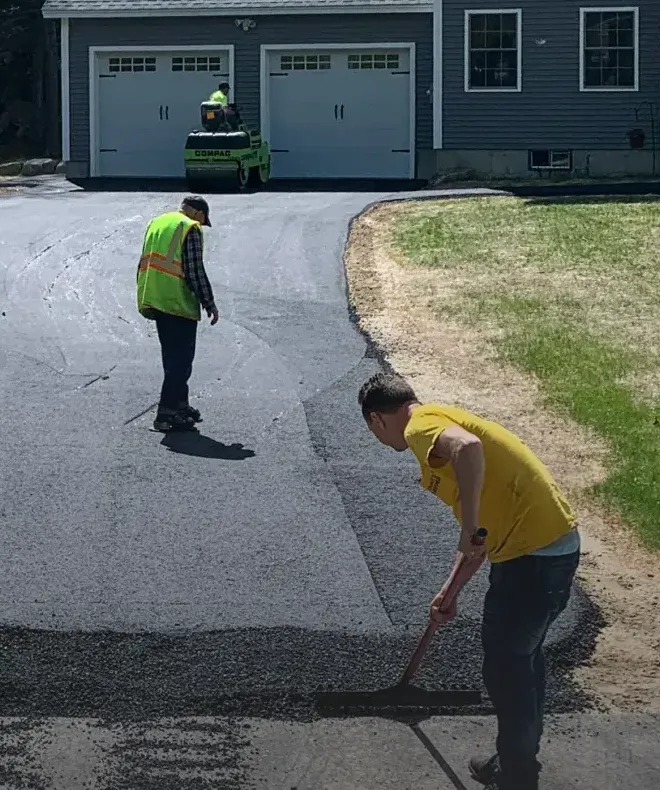
Asphalt driveways are a solid investment, offering durability, a sleek look, and cost-effectiveness compared to other paving options. But like all things, they don’t last forever. Knowing when it’s time to replace your driveway—and what you can do to stretch its lifespan—can save you money and keep your home looking great.
The Average Lifespan of Asphalt Driveways
On average, an asphalt driveway lasts 15–20 years with proper maintenance. However, this can vary depending on climate, usage, and how well it’s been cared for over the years. Driveways that endure harsh winters or heavy vehicle traffic may wear down faster, while those in milder climates with regular upkeep can last well over two decades.
Signs It’s Time to Replace Your Driveway
Sometimes, patching or resurfacing just won’t cut it. Here are signs you might need a full replacement:
- Extensive cracking across the surface (especially deep alligator cracks)
- Potholes that keep coming back even after repairs
- Drainage problems causing water pooling or erosion under the driveway
- Fading and crumbling edges indicating the asphalt binder has broken down
If you’re dealing with multiple issues at once, replacement may be more cost-effective in the long run than continuous repairs.
How to Extend Your Driveway’s Lifespan
Routine maintenance can add years to your driveway’s life. Sealcoating every 2–3 years protects against UV rays, water intrusion, and chemical damage. Filling cracks promptly prevents them from spreading, and proper cleaning keeps debris and weeds from breaking down the surface.
Professional Care Makes a Difference
While DIY fixes are possible, professional paving contractors have the equipment and expertise to ensure repairs and replacements are done right. Proper base preparation, drainage, and asphalt thickness are key to a driveway that stands the test of time.
If you’re considering repair or replacement, explore our asphalt driveways, asphalt paving services, asphalt maintenance, or contact us today for a free estimate.