
It’s More Than Just Pouring and Rolling
If you’ve ever driven past a paving crew and thought, “Looks like they’re just laying down some blacktop,” you’re not alone—but there’s a whole lot more to it. Whether it’s a fresh driveway, a brand-new parking lot, or a road resurfacing project, asphalt paving is a multi-step process that demands precision, timing, and the right prep work.
The final result might look smooth and simple, but getting there takes serious coordination and a well-trained crew. Cutting corners or skipping steps might save time upfront—but it usually means headaches (and repairs) later on.
Step-by-Step: What Happens on Paving Day
Before a single drop of asphalt is laid down, a lot of prep goes into getting the surface ready. Think of it like building a house—you wouldn’t just throw up walls without first laying a proper foundation. The same logic applies here.
Here’s a look at the major stages of a professional asphalt paving job:
- Site Prep & Excavation: This starts with grading the area and removing anything that would mess with your new surface—old concrete, gravel, tree roots, or soft soil. If water drainage isn’t handled here, you’ll be facing puddles and premature cracking in no time.
- Sub-Base Installation: The sub-base acts like the backbone of your asphalt surface. It’s made of compacted stone or gravel and supports everything above it. This layer also helps with load distribution and frost resistance, especially important here in the Mid-Atlantic region.
- Proof Rolling & Grading: Once the sub-base is in, it’s compacted and tested (sometimes with a process called “proof rolling”) to make sure it’s ready to hold weight. Any soft spots are addressed before the next step to avoid future sinking or crumbling.
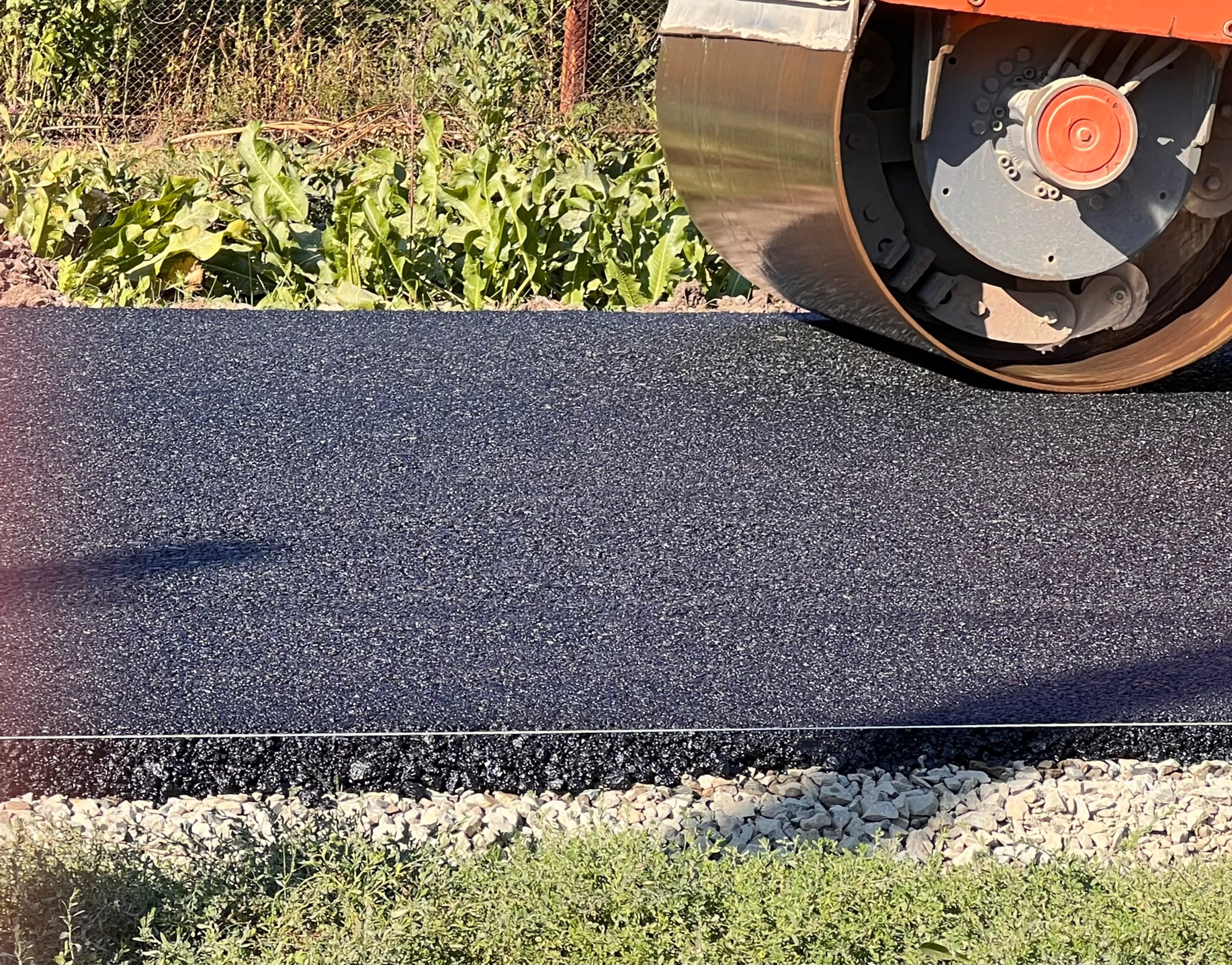
- Binder & Surface Layers: Now comes the asphalt. In some projects, there’s a binder layer that adds extra strength—this is typically used in heavier traffic areas like commercial lots. Then the final surface layer is laid down and compacted, creating that smooth, finished look.
- Edges, Transitions & Cleanup: After the asphalt is rolled, the crew focuses on edges, transitions to sidewalks or driveways, and any needed striping or sealing. Clean edges not only look better—they help keep water out and extend the life of your surface.
Every one of these steps plays a role in making sure your asphalt lasts. Skipping even one of them could mean cracks, dips, or full-on replacement way sooner than you’d like.
Why the Details Matter
If you’re investing in asphalt paving, you want it to last—and that means hiring a crew that does the job right from the ground up. A properly paved surface won’t just look better; it’ll stand up to heavy use, changing seasons, and years of wear and tear without constant repairs.
At Chesapeake Paving LLC, we bring decades of experience to every project. We know what works (and what doesn’t) when it comes to building a surface that’s going to hold up—and we make sure no step gets skipped along the way.
Ready to start your own paving project? Learn more about our Asphalt Paving Services or explore specialized offerings like Asphalt Driveways, Parking Lot Paving, and Asphalt Sealcoating. When you’re ready to roll, Contact Us for a free estimate and expert advice.